Egypt eVisa Travel Tips and Cultural Guide: Complete Information
Get the answer to your Egypt visa question
Egypt eVisa Travel Tips and Cultural Guide: Complete Information
This comprehensive guide provides essential travel tips, cultural guidelines, and practical information for visiting Egypt with an eVisa, ensuring a safe, respectful, and enjoyable journey through this ancient land.
1. Essential Travel Documents
1.1. What documents should I carry in Egypt?
Required Documents:
- •Original Passport: Valid for at least 6 months, with entry stamp
- •Printed eVisa: Multiple copies recommended
- •Return Flight Tickets: Proof of onward travel
- •Accommodation Proof: Hotel bookings or invitation letters
- •Travel Insurance: Highly recommended
- •Emergency Contacts: Embassy information, local contacts
Additional Recommendations:
- •Copies of all documents (stored separately)
- •Digital copies on mobile device
- •Passport photos (for extensions if needed)
- •Credit cards and cash
2. Health and Safety Information
2.1. What health precautions should I take in Egypt?
Water and Food Safety:
- •Drink Only: Bottled water (widely available)
- •Avoid: Tap water, ice (unless from bottled water)
- •Food: Generally safe in hotels and reputable restaurants
- •Street Food: Choose busy vendors with high turnover
- •Fruits: Eat only fruits you can peel yourself
Medical Preparation:
- •Bring prescription medications with original labels
- •Pack a basic first-aid kit
- •Comprehensive travel insurance with medical coverage
- •Know location of nearest hospital or clinic
Common Health Issues:
- •Traveler's diarrhea (common, usually mild)
- •Heat-related illnesses (stay hydrated, especially in summer)
- •Sunburn (use sunscreen, cover up)
- •Dehydration (drink plenty of water)
2.2. Is Egypt safe for tourists?
Egypt is generally safe for tourists, especially in:
- •Major tourist destinations (Cairo, Luxor, Aswan, Red Sea resorts)
- •Tourist areas and organized tours
- •Reputable hotels and accommodations
- •Popular archaeological sites
Safety Tips:
- •Exercise standard travel precautions
- •Use reputable tour operators
- •Keep valuables secure
- •Stay informed about local conditions
- •Follow advice from local authorities and tour guides
- •Avoid isolated areas, especially at night
- •Be cautious with traffic
Women Travelers:
- •Generally safe, but dress modestly
- •Avoid isolated areas, especially at night
- •Use reputable transportation services
- •Consider traveling with groups in some areas
3. Cultural Guidelines and Etiquette
3.1. What should I know about Egyptian customs and culture?
Cultural Diversity: Egypt has a rich cultural heritage blending ancient Pharaonic, Islamic, Coptic, and modern influences.
Dress Code:
- •Modest Dress: Cover shoulders and knees, especially at religious sites
- •Mosques: Remove shoes, cover head (women), dress modestly
- •Tourist Areas: More relaxed, but still respectful
- •Beaches: Swimwear acceptable at resort beaches
Religious Sites:
- •Mosques: Remove shoes, cover head (women), dress modestly
- •Churches: Dress respectfully, remove hats
- •Temples: Generally more relaxed, but still respectful
- •Photography: Check if allowed, some sites prohibit flash
Social Etiquette:
- •Greetings: "As-salamu alaykum" (peace be upon you) appreciated
- •Right Hand: Use for eating, greeting, giving/receiving
- •Public Behavior: Avoid public displays of affection
- •Bargaining: Common in markets and bazaars (be polite)
- •Tipping: Customary (10% in restaurants, tip guides and drivers)
Language:
- •Arabic: Official language
- •English: Widely spoken in tourist areas
- •French: Also spoken in some areas
- •Learning Basics: A few Arabic phrases appreciated
4. Practical Travel Information
4.1. What currency is used in Egypt?
Currency Information:
- •Egyptian Pound (EGP): Official currency
- •Exchange Rate: Check current rates before travel
- •ATMs: Widely available in cities and tourist areas
- •Credit Cards: Accepted in hotels, restaurants, and major shops
- •Cash: Essential for markets, taxis, and small vendors
Money Management Tips:
- •Inform your bank about travel plans
- •Bring backup cards
- •Use ATMs in secure locations
- •Keep small denominations for tips
- •US dollars sometimes accepted in tourist areas
4.2. What transportation options are available in Egypt?
Domestic Transportation:
- •Domestic Flights: Quick connections between major cities
- •Trains: Comfortable options for longer distances
- •Buses: Comprehensive network, budget-friendly
- •Taxis: Use reputable services or ride-sharing apps
- •Nile Cruises: Popular way to see Luxor and Aswan
Getting Around Cities:
- •Taxis: Negotiate fares or use meters
- •Uber/Careem: Available in major cities
- •Metro: Available in Cairo
- •Walking: Good in tourist areas, be cautious with traffic
Safety Tips:
- •Use reputable transportation services
- •Prepaid taxi counters at airports are safe
- •Be cautious with traffic (can be chaotic)
- •Book tours through reputable operators
4.3. What should I pack for Egypt?
Essential Items:
- •Lightweight, modest clothing (cover shoulders and knees)
- •Comfortable walking shoes
- •Sun protection (hat, sunscreen, sunglasses)
- •Scarf (for women, for mosque visits)
- •Insect repellent
- •Basic first-aid kit
- •Prescription medications
- •Copies of important documents
Seasonal Considerations:
- •Summer: Light, breathable clothing, extra sun protection
- •Winter: Warmer clothing for evenings, especially in desert
- •Year-round: Modest dress for religious sites
5. Top Destinations and Experiences
5.1. What are the must-see destinations in Egypt?
Historical Sites:
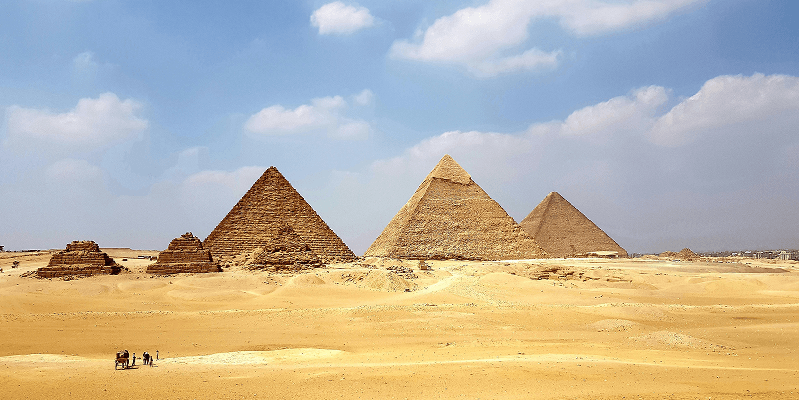
- •Pyramids of Giza: One of the Seven Wonders of the Ancient World
- •Sphinx: Iconic monument near the pyramids
- •Valley of the Kings: Ancient pharaonic tombs
- •Karnak Temple: Massive temple complex in Luxor
- •Abu Simbel: Magnificent temples relocated from Aswan
- •Philae Temple: Beautiful island temple
Cities:
- •Cairo: Capital with museums, markets, and culture
- •Luxor: "World's greatest open-air museum"
- •Aswan: Nubian culture and beautiful Nile setting
- •Alexandria: Mediterranean city with historic sites
Red Sea:
- •Sharm El Sheikh: World-class diving and beaches
- •Hurghada: Beach resort with water activities
- •Dahab: Relaxed diving destination
5.2. What are the best experiences in Egypt?
Cultural Experiences:
- •Nile Cruise: Luxor to Aswan or vice versa
- •Felucca Sailing: Traditional sailboat on the Nile
- •Desert Tours: Sahara adventures and Bedouin experiences
- •Camel Rides: At the pyramids and other sites
- •Sound and Light Shows: At major historical sites
Adventure Activities:
- •Diving: World-class Red Sea diving
- •Snorkeling: Beautiful coral reefs
- •Desert Safaris: Quad biking, sandboarding
- •Hot Air Ballooning: Over Luxor and the Valley of the Kings
Cultural Immersion:
- •Nubian Villages: Experience local culture in Aswan
- •Traditional Markets: Khan el-Khalili in Cairo
- •Museums: Egyptian Museum, Nubian Museum
- •Traditional Food: Try local Egyptian cuisine
6. Food and Dining
6.1. What should I know about Egyptian cuisine?
Popular Dishes:
- •Koshari: National dish with rice, lentils, pasta
- •Ful Medames: Fava beans, traditional breakfast
- •Ta'ameya: Egyptian falafel
- •Shawarma: Grilled meat wraps
- •Fresh Seafood: Especially in coastal areas
Dining Tips:
- •Restaurants: Generally safe, choose reputable places
- •Street Food: Can be delicious, choose busy vendors
- •Water: Always drink bottled water
- •Tipping: 10% customary in restaurants
- •Vegetarian Options: Many available
7. Shopping and Souvenirs
7.1. What should I know about shopping in Egypt?
Popular Souvenirs:
- •Papyrus: Ancient Egyptian paper art
- •Alabaster: Carved items and vases
- •Perfumes: Egyptian essences and oils
- •Spices: From local markets
- •Jewelry: Gold and silver items
- •Carpets: Handwoven rugs
Shopping Tips:
- •Bargaining: Expected in markets and bazaars
- •Fixed Prices: In government shops and some stores
- •Quality: Check quality before purchasing
- •Receipts: Keep for customs if needed
- •Authenticity: Be cautious of fake antiquities
8. Communication and Internet
8.1. What should I know about communication in Egypt?
Language:
- •Arabic: Official language
- •English: Widely spoken in tourist areas
- •French: Also spoken in some areas
- •Learning Basics: A few Arabic phrases appreciated
Internet and Communication:
- •SIM Cards: Available at airports and shops
- •WiFi: Available in hotels, cafes, some public areas
- •Mobile Coverage: Generally good in cities and tourist areas
- •Communication Apps: WhatsApp widely used
9. Emergency Information
9.1. What should I do in case of emergency in Egypt?
Emergency Contacts:
- •Police: 122
- •Tourist Police: 126
- •Ambulance: 123
- •Fire: 180
Important Actions:
- •Contact your embassy or consulate immediately
- •Keep emergency contacts handy
- •Know location of nearest hospital
- •Keep copies of important documents separately
- •Travel insurance is highly recommended
Healthcare:
- •Major cities have good healthcare facilities
- •Travel insurance with medical coverage essential
- •Bring prescription medications with original labels
- •Know location of nearest hospital or clinic
10. Why Choose United eVisa Services for Your Egypt eVisa?
10.1. Expert Support and High Success Rate
- •98% Approval Rate: Our expert team ensures your application meets all requirements
- •24/7 Customer Support: Get help whenever you need it
- •Expert Document Review: Our specialists review every document before submission
- •Direct Relationships: We work directly with Egyptian immigration authorities
10.2. Comprehensive Travel Support
- •Travel Planning: Get advice on destinations and itineraries
- •Cultural Guidance: Tips for respectful and enjoyable travel
- •Emergency Support: Help available during your travels
11. Conclusion
Traveling to Egypt with an eVisa is an incredible experience when you're well-prepared. This guide covers essential requirements, cultural guidelines, and practical tips to ensure a safe, respectful, and enjoyable journey through this ancient land.
Ready to apply for your Egypt eVisa?
[Start your application today] and let our professional team handle your visa processing efficiently and securely.
Experience Egypt's ancient wonders, vibrant culture, and warm hospitality with confidence and peace of mind!
Still have questions?
Our expert team is here to help you with your Egypt visa application. Get personalized assistance and clear guidance for your next steps.
Table of contents
Send Us a Message
Get expert help with your visa application
APPLY WITH CONFIDENCE
- Fast, secure, and reliable visa processing
- Safe online payment—no hidden fees
- Most visas approved within 3 working days
- All applications processed urgently—no extra rush fees
- Transparent pricing, no surprises
- 100% Service Fees Returned if Rejected