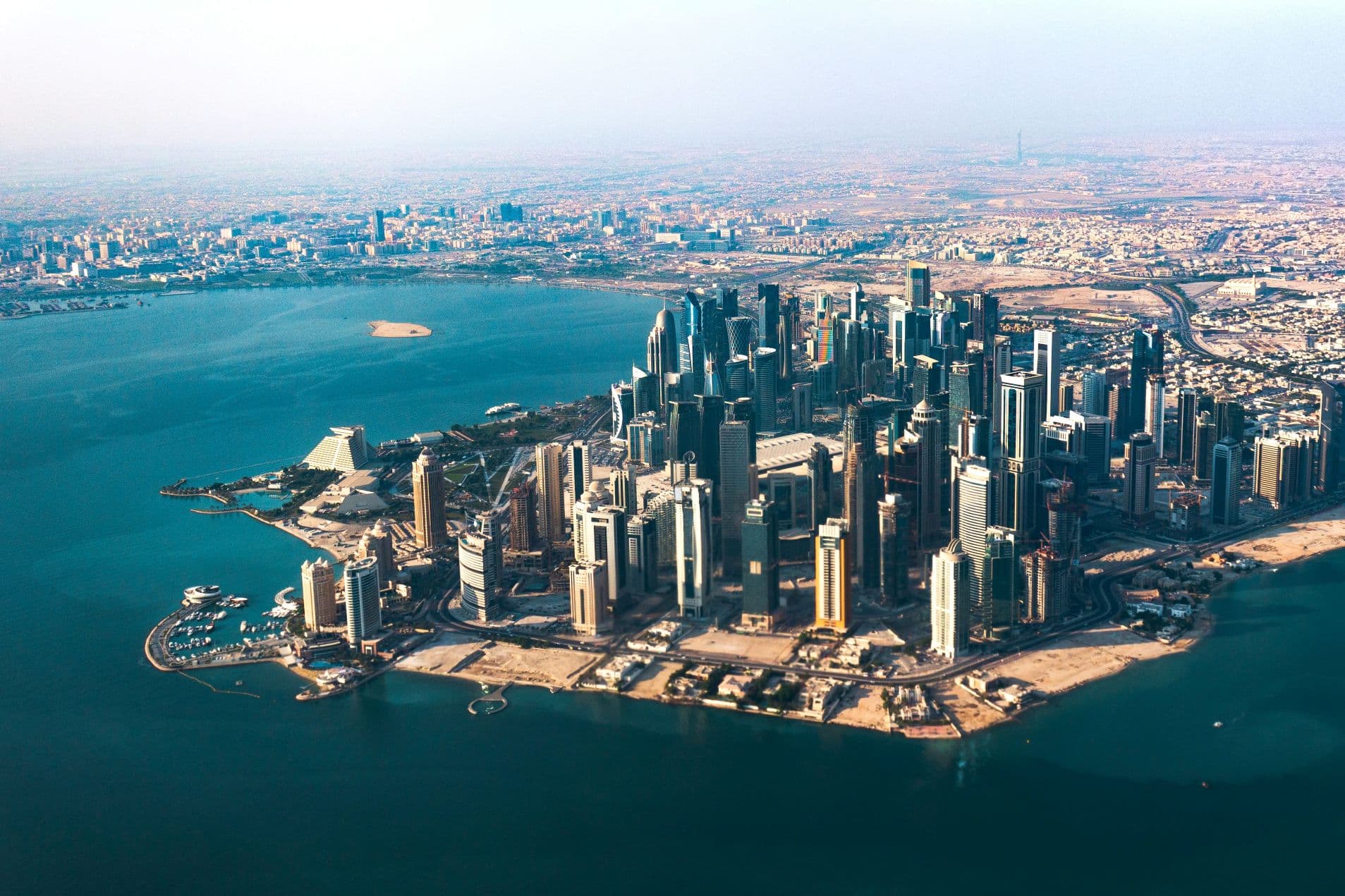
Is Qatar Safe to Travel to in 2026?
If you are searching “is qatar safe to travel now” or comparing Doha with Dubai, Riyadh, or Muscat, you are usually trying to separate anxiety from itinerary facts. This article is written in a travel-advisory tone: professional, neutral, and not political. It explains what “safe” means for a Qatar-centered trip, how Qatar relates to UAE, Saudi Arabia, and Oman in practical planning, what to verify for airports and airlines, and how entry documents reduce real-world risk.
Disclaimer: Guidance changes. Always confirm your government’s Qatar advisory, Qatar entry rules, and your airline’s operational updates immediately before travel.
Short answer: many Doha-centered trips go ahead smoothly, but the practical decision should be based on Qatar-specific advisories, flight and connection stability, local-law compliance, and whether your visa/documentation is already in order.
What “safe” means when the destination is mostly Doha
Travelers often use “safe” as a catch-all. For Qatar, it helps to split the question:
- Personal security: everyday crime and scams in urban areas
- Security environment: how official sources describe threats and precautions
- Legal and cultural compliance: behaviors that can create serious legal exposure
- Logistics: denied boarding, connection fragility, schedule instability
Doha is the primary focus for most visitors, with Hamad International Airport as the main gateway. That compact footprint can simplify planning: you are usually evaluating one major city ecosystem rather than a multi-region overland route—unless you intentionally add one.
If you are proceeding with dates, start with Qatar eVisa requirements and an online application through United eVisa when eligible—visa uncertainty is a common preventable failure mode.
Qatar in context: why advisory text is usually country-specific
Middle East news cycles are noisy. Official advisories are typically organized by country pages because conditions are not uniform across the region. For Qatar, credible planning means reading Qatar-specific sections—not assuming another country’s page substitutes for it.
Useful planning notes many travelers discover quickly:
- Qatar invests heavily in aviation connectivity and visitor-facing infrastructure in Doha.
- Security presence and formal procedures can feel intense to first-time visitors—treat that as normal hub environment, follow instructions, and allow extra time at checkpoints and event venues.
- Local laws can differ sharply from Western norms; compliance is a safety strategy, not a cultural debate.
UAE, Saudi Arabia, and Oman: neighbors on a map, not clones
Travelers often bucket Gulf destinations together. For safety and legality, treat each stop as its own file.
United Arab Emirates (Dubai / Abu Dhabi)
If you compare Doha to Dubai, compare UAE visa requirements and UAE advisory language on their own. Connection itineraries can fail when travelers assume one country’s rules apply elsewhere.
Saudi Arabia
If you add Riyadh or Jeddah, Saudi Arabia eVisa requirements and Saudi-specific legal expectations must be reviewed independently—especially for medications, public conduct, and permitted activities.
Oman
Muscat and coastal Oman trips involve different road and border realities. If you cross from elsewhere or fly in separately, read Oman eVisa requirements and any overland guidance in advisories carefully.
Regional tension and your actual route: what can change without warning
Even when Doha is stable for visitors, regional stress can still affect travel through airline network decisions, schedule changes, or connection risk if you are ticketed on tight multi-leg itineraries. This is why airline notifications and fresh advisory checks matter more than anecdotal social media posts.
Practical mitigation: prefer reasonable connection margins, understand single-ticket vs. separate tickets, and monitor updates during the final week before departure.
Hamad International Airport and airline operations: verify, don’t assume
Hamad International Airport is a major global hub, and Qatar Airways operates a broad international network. During sensitive periods, travelers may still see frequency adjustments, longer flight times on certain routings, or heightened screening.
48-hour checklist:
- Confirm passport validity and visa/entry authorization matches your ticket
- Reconfirm terminal, check-in time, and baggage rules
- If connecting, revalidate minimum connection time; separate tickets can leave you unprotected during delays
For visa workflow clarity, follow how to apply steps early so documentation is settled before operational volatility matters.
Business travelers, conferences, and short-stop visitors
Doha is a frequent meeting and events destination. For safety planning, business trips often add predictable friction points: tight arrival-to-meeting timelines, jet lag, and credential checks at venues. Build buffer after long-haul arrivals, keep visa and invitation documentation accessible offline, and confirm whether your host or venue publishes entry/security requirements (bag checks, ID expectations, prohibited items).
If your employer uses a travel risk program, align your plans with internal thresholds as well as government advisories—corporate policy can be stricter than personal tolerance.
Heat, hydration, and health realism (especially April–September)
Gulf summers are physically demanding for visitors unaccustomed to high temperatures. Heat stress is a common, preventable issue that can feel like a “safety crisis” even when security conditions are stable. Plan outdoor exposure carefully, prioritize hydration, and treat dizziness, nausea, or confusion as reasons to stop, cool down, and seek medical help if symptoms persist.
If you take prescription medications, carry clear documentation and verify Qatar’s rules early—do not assume a medication permitted at home is handled the same way abroad. When in doubt, use official sources rather than forums.
Tourism and business travel in Doha: balanced expectations
Doha routinely hosts leisure visitors, conferences, and corporate travelers. Many trips feel orderly and highly serviced—while still requiring normal urban habits (hotel safe for valuables, careful crossing in traffic, awareness in crowds).
Balanced reassurance:
- Many visits proceed without incident when travelers comply with law and plan logistics conservatively.
- No destination is risk-free; advisories exist because serious outcomes are possible when travelers ignore rules or travel against official guidance.
Reading government travel advisories responsibly (Qatar page, not vibes)
Most foreign ministries publish level-based guidance with sections on terrorism, unrest, laws, health, and entry/exit. For Qatar, pay special attention to:
- Terrorism/security language—note whether statements are general vs. location-specific
- Laws and customs—this section prevents many real traveler crises
- Health—heat, chronic illness management, and medication rules
- Border and overland notes—only relevant if your itinerary is not “airport → Doha → airport”
Re-read advisories during the week you travel.
Practical safety tips for Qatar visitors
Legal and cultural awareness (often the real “safety lever”)
Many serious problems are compliance issues, not random crime. Prioritize:
- Conservative public behavior relative to many Western cities
- Alcohol rules—where and how it is permitted, if at all, for visitors
- Medications—carry documentation; verify restrictions early
- Photography—avoid sensitive locations and respect privacy
Everyday personal security
- Use licensed taxis or official rideshare options
- Keep passport copies secured separately from originals
- Avoid protests, demonstrations, or volatile crowds—even as an observer
- Share itinerary with a trusted contact
Digital and financial hygiene
- Be cautious on public Wi‑Fi for sensitive logins
- Monitor cards for fraud as you would in any major hub city
When to postpone or redesign a Qatar trip
Consider changing plans if:
- Advisory levels conflict with insurance or employer requirements
- You cannot tolerate medical disruption or schedule volatility
- Your itinerary depends on fragile connections and non-flexible tickets
- You are not confident you can meet local legal expectations
Bottom line
Qatar is frequently treated as a stable Gulf destination with strong visitor infrastructure, especially for Doha-centric itineraries—while still requiring strict legal compliance, normal vigilance, and fresh verification of advisories and flights. The best “safety” outcome is often the boring one: correct entry authorization, buffered connections, and no surprises at check-in.
United eVisa supports eligible travelers with a structured online application so visa steps are handled professionally while you monitor flights and advisories.
FAQ
Is Qatar safe to travel right now for a typical tourist?
Many travelers visit without serious incidents, but outcomes depend on your health, nationality, itinerary, and current advisories. Read Qatar-specific guidance before booking.
Is Qatar safer than other Middle East countries?
“Safer” is not a universal ranking. Compare country-level advisories and your exact route—do not substitute UAE or Saudi pages for Qatar.
Are Hamad Airport and Qatar Airways flights usually running?
Major hubs can remain active while still experiencing schedule changes during tense periods. Verify your flights 24–48 hours ahead.
What mistakes cause the most trouble for visitors?
Often legal/compliance issues, medication assumptions, and documentation problems—not the scenarios people imagine from headlines.
Do I need a visa for Qatar?
Requirements vary by nationality and purpose. Start with Qatar eVisa requirements and apply via United eVisa if eligible.
Should I get travel insurance?
Many travelers do. Read exclusions, especially around advisory levels and activities.
I’m comparing Doha and Dubai—what should I do first?
Confirm each country’s visa and entry rules separately: Qatar and UAE—then book with workable flexibility.